Plant field guide / Silver starflower
Silver starflower
Trientalis borealis
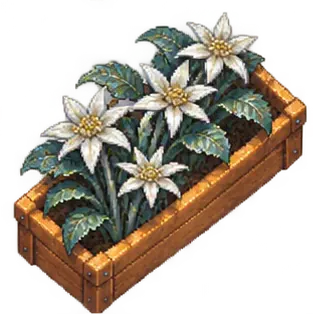
Look for these seeds on Starlit glade expeditions. The trail opens at gardener level 6. Look for its field marks: Pointed white petals form little stars above a whorl of leaves. Its picture appears among your identification answers from gardener level 10 or after your first discovery.
- Preferred soil
- Humus
- Light
- Shade
- Ideal moisture
- 70%
- Ideal growth time
- 36 hours

Starlit glade
A moonlit clearing where unusual blooms take root. Level 6.
Read the starlit glade guideGrowing silver starflower
Fill a planter with humus soil and sow one seed. Set light to shade and use the watering tool when moisture falls below the plant’s preferred range. Check for pests and protect the bed when the forecast calls for extreme weather.
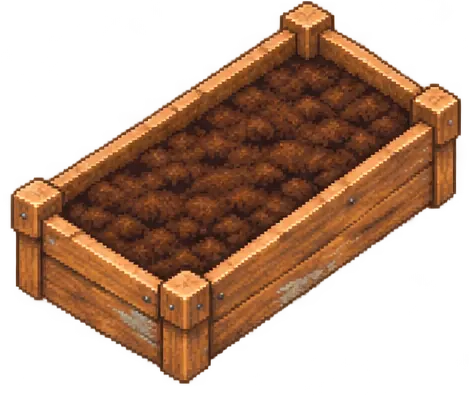 Sown
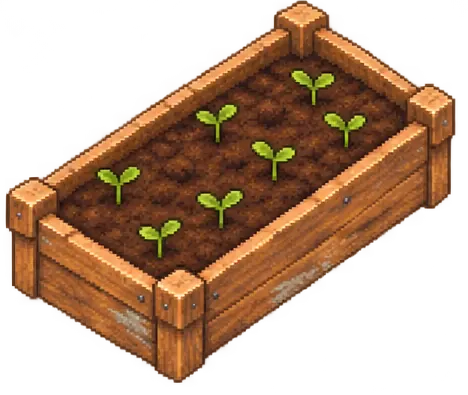 Seedling
 Leafing out
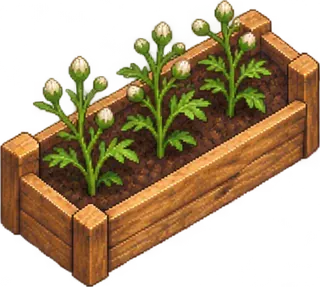 Budding
- Mature
Growth continues in real time between visits. At full maturity, a plant with at least 80% health yields two seeds when collected. Other living mature plants yield one. Collecting seeds frees that planting spot.
Instead of collecting seeds, you can pick its blooms. The plant keeps growing and flowers again after about 10.8 hours. Deliver silver starflower blooms to flower orders for coins, XP and variety seeds. Read the blooms guide
Silver starflower in the wild
- Plant type
- Perennial
- Native to
- Canada and the north-eastern United States
- Wild habitat
- Moist woods, bogs and cool conifer forest
- Season
- May to June
How to recognise it
One whorl of five to ten glossy, pointed leaves tops a slender stem, with one or two starry white flowers above. Most flowers have seven petals, which is unusual among wildflowers.
Growing it for real
It’s rarely grown in gardens. It needs cool, acid, leafy soil in shade and spreads by thin underground runners.
Did you know?
Botanists now often place it in the genus Lysimachia, as Lysimachia borealis, alongside the pimpernels.