Plant field guide / Moon orchid
Moon orchid
Phalaenopsis amabilis
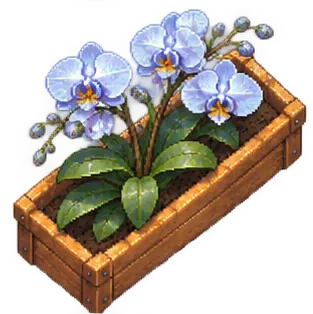
Look for these seeds on Starlit glade expeditions. The trail opens at gardener level 6. Look for its field marks: White, wing-like blooms arch along a slender stem. Its picture appears among your identification answers from gardener level 9 or after your first discovery.
- Preferred soil
- Humus
- Light
- Dappled
- Ideal moisture
- 75%
- Ideal growth time
- 36 hours
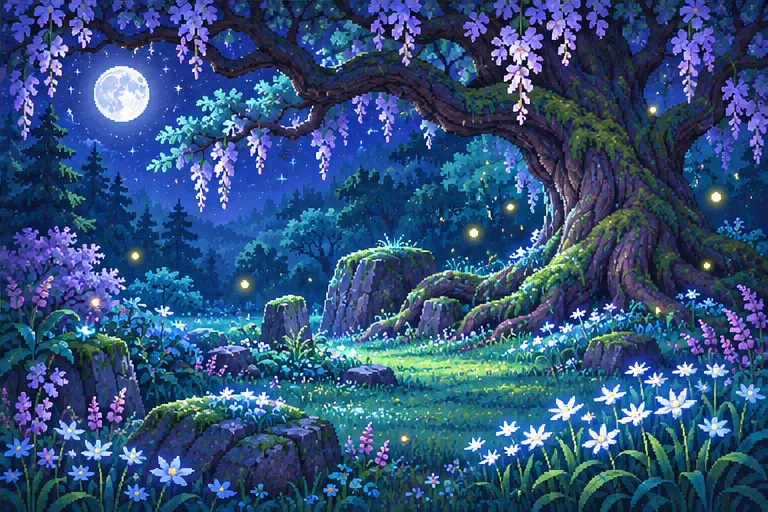
Starlit glade
A moonlit clearing where unusual blooms take root. Level 6.
Read the starlit glade guideGrowing moon orchid
Fill a planter with humus soil and sow one seed. Set light to dappled and use the watering tool when moisture falls below the plant’s preferred range. Check for pests and protect the bed when the forecast calls for extreme weather.
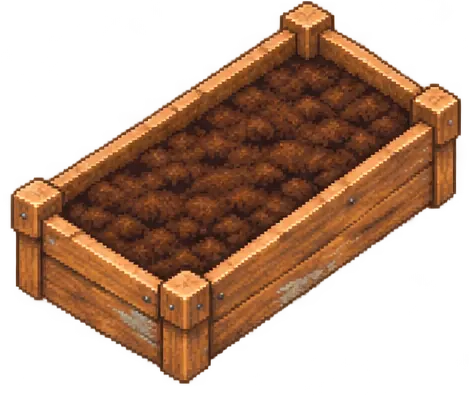 Sown
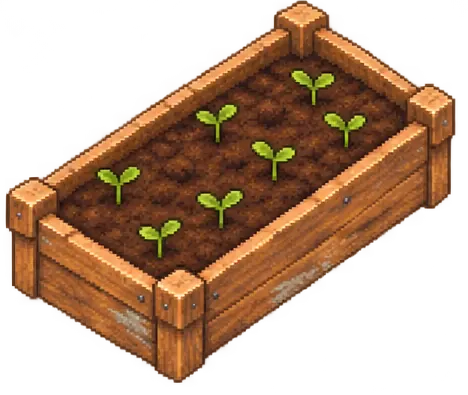 Seedling
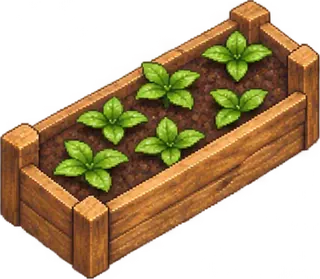 Leafing out
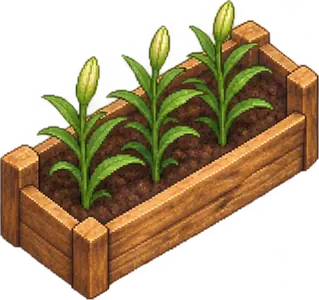 Budding
- Mature
Growth continues in real time between visits. At full maturity, a plant with at least 80% health yields two seeds when collected. Other living mature plants yield one. Collecting seeds frees that planting spot.
Instead of collecting seeds, you can pick its blooms. The plant keeps growing and flowers again after about 10.8 hours. Deliver moon orchid blooms to flower orders for coins, XP and variety seeds. Read the blooms guide
Moon orchid in the wild
- Plant type
- Orchid that grows on trees
- Native to
- Southeast Asia to northern Australia
- Wild habitat
- Branches of trees in humid tropical forest, not soil
- Season
- Flowers can last two to three months
How to recognise it
Broad, fleshy leaves fan out from a short stem, with silvery roots that cling to bark. Arching stems carry flat white flowers with wide, rounded petals and a small three-lobed lip.
Growing it for real
Grow it indoors in bright, indirect light, in a bark-based orchid mix rather than soil. Water when the roots turn silvery, and let the pot drain fully.
Did you know?
It’s one of Indonesia’s national flowers, known there as anggrek bulan, the moon orchid. Many of the moth orchids sold as houseplants descend partly from it.