Plant field guide / Spring crocus
Spring crocus
Crocus vernus
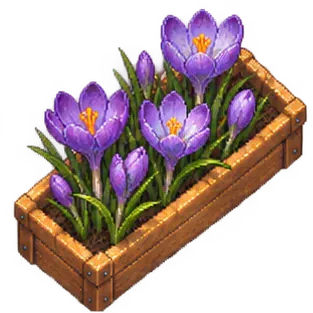
Look for these seeds on Starlit glade expeditions. The trail opens at gardener level 6. Look for its field marks: Low purple cups emerge between grasslike leaves. Its picture appears among your identification answers from gardener level 6 or after your first discovery.
- Preferred soil
- Sand
- Light
- Sun
- Ideal moisture
- 50%
- Ideal growth time
- 6 hours

Starlit glade
A moonlit clearing where unusual blooms take root. Level 6.
Read the starlit glade guideGrowing spring crocus
Fill a planter with sand soil and sow one seed. Set light to sun and use the watering tool when moisture falls below the plant’s preferred range. Check for pests and protect the bed when the forecast calls for extreme weather.
 Sown
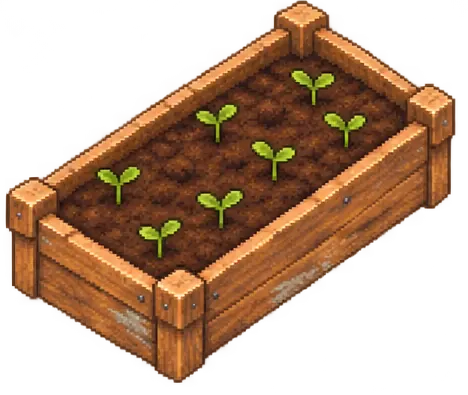 Seedling
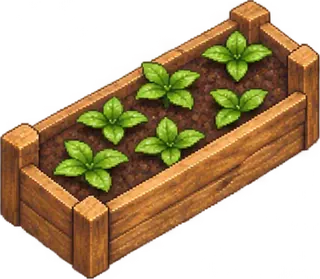 Leafing out
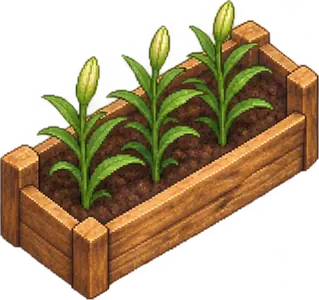 Budding
- Mature
Growth continues in real time between visits. At full maturity, a plant with at least 80% health yields two seeds when collected. Other living mature plants yield one. Collecting seeds frees that planting spot.
Instead of collecting seeds, you can pick its blooms. The plant keeps growing and flowers again after about 1.8 hours. Deliver spring crocus blooms to flower orders for coins, XP and variety seeds. Read the blooms guide
Spring crocus in the wild
- Plant type
- Corm
- Native to
- Mountains of central and southern Europe, including the Alps and Pyrenees
- Wild habitat
- Alpine meadows, often flowering as the snow melts
- Season
- February to April
How to recognise it
Goblet-shaped purple or white flowers rise straight from the ground between grassy leaves with a pale central stripe. Three orange stigmas sit inside.
Growing it for real
Plant the corms in autumn, about 8 cm deep, in sun and free-draining soil, in lawns or pots. Squirrels dig them up, so cover new plantings with mesh.
Did you know?
Saffron comes from the stigmas of its cousin, Crocus sativus. The spring crocus isn’t used for saffron, but early bees depend on its pollen.