Plant field guide / English lavender
English lavender
Lavandula angustifolia
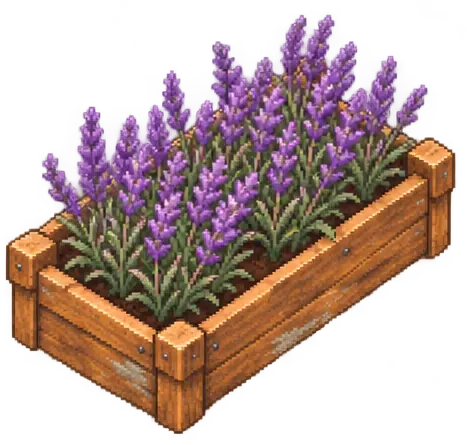
Look for these seeds on Willow creek expeditions. The trail opens at gardener level 4. Look for its field marks: Slender purple spikes rise above narrow grey-green leaves. Its picture appears among your identification answers from gardener level 4 or after your first discovery.
- Preferred soil
- Sand
- Light
- Sun
- Ideal moisture
- 40%
- Ideal growth time
- 18 hours
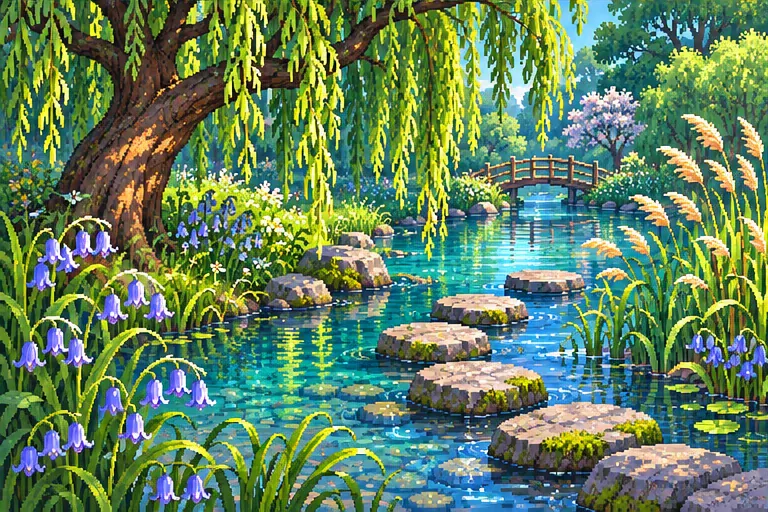
Willow creek
Look between the reeds along the cool riverbank. Level 4.
Read the willow creek guideGrowing english lavender
Fill a planter with sand soil and sow one seed. Set light to sun and use the watering tool when moisture falls below the plant’s preferred range. Check for pests and protect the bed when the forecast calls for extreme weather.
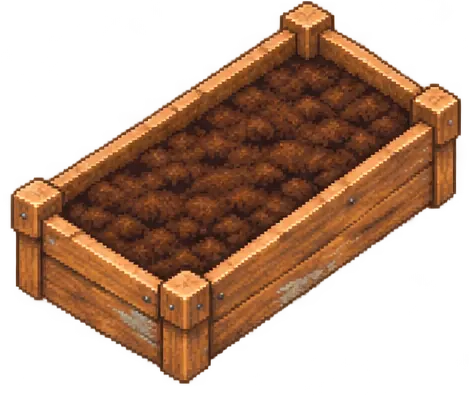 Sown
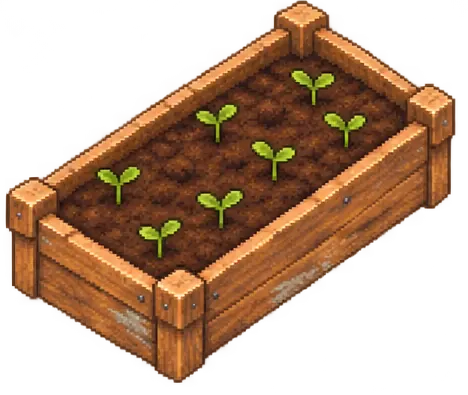 Seedling
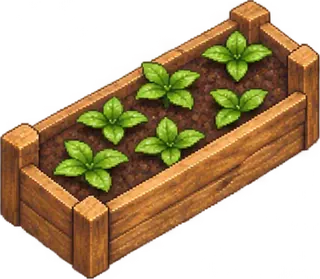 Leafing out
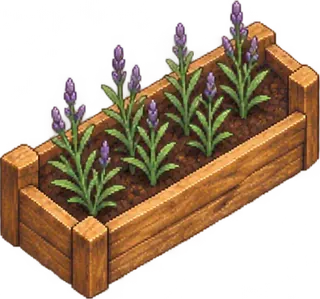 Budding
- Mature
Growth continues in real time between visits. At full maturity, a plant with at least 80% health yields two seeds when collected. Other living mature plants yield one. Collecting seeds frees that planting spot.
Companion plant. Flowering lavender brings bees · +2 coins a day for each other plant in this clearing. Read about companion planting
Instead of collecting seeds, you can pick its blooms. The plant keeps growing and flowers again after about 5.4 hours. Deliver english lavender blooms to flower orders for coins, XP and variety seeds. Read the blooms guide
English lavender in the wild
- Plant type
- Evergreen shrub
- Native to
- Mountains of the western Mediterranean
- Wild habitat
- Dry, stony, sunny hillsides
- Season
- June to August
How to recognise it
Narrow, grey-green leaves line woody stems topped by slender spikes of small purple flowers. Every part smells strongly of lavender.
Growing it for real
Plant it in full sun and poor, free-draining soil. Wet winters kill it faster than cold does. Trim it after flowering, but never cut back into old, bare wood.
Did you know?
English lavender isn’t from England. It earned the name by being the hardiest lavender for English gardens. Bees love it, just as they do in Little Acre.