Plant field guide / Bluebell
Bluebell
Hyacinthoides non-scripta
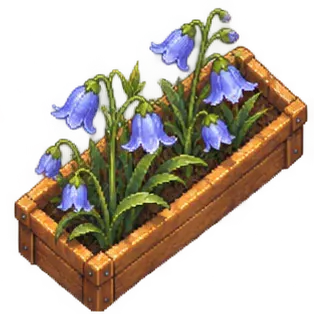
Look for these seeds on Willow creek expeditions. The trail opens at gardener level 4. Look for its field marks: Blue bells hang from a gently arched stem. Its picture appears among your identification answers from gardener level 5 or after your first discovery.
- Preferred soil
- Humus
- Light
- Dappled
- Ideal moisture
- 70%
- Ideal growth time
- 6 hours

Willow creek
Look between the reeds along the cool riverbank. Level 4.
Read the willow creek guideGrowing bluebell
Fill a planter with humus soil and sow one seed. Set light to dappled and use the watering tool when moisture falls below the plant’s preferred range. Check for pests and protect the bed when the forecast calls for extreme weather.
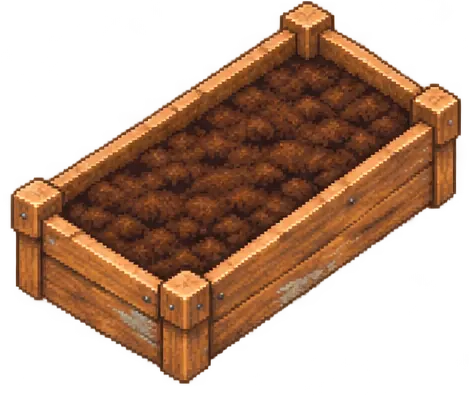 Sown
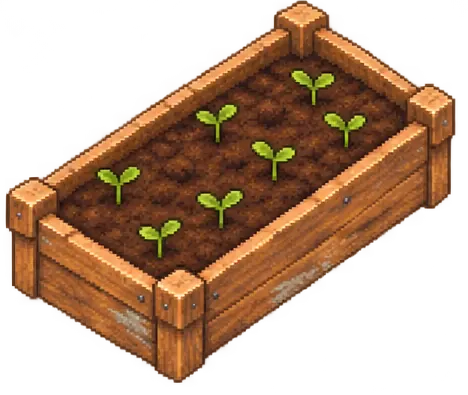 Seedling
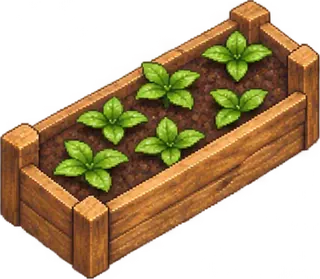 Leafing out
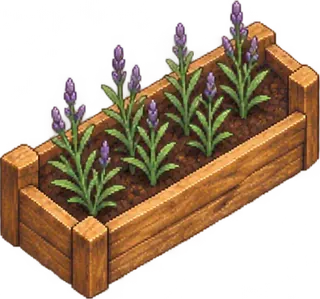 Budding
- Mature
Growth continues in real time between visits. At full maturity, a plant with at least 80% health yields two seeds when collected. Other living mature plants yield one. Collecting seeds frees that planting spot.
Instead of collecting seeds, you can pick its blooms. The plant keeps growing and flowers again after about 1.8 hours. Deliver bluebell blooms to flower orders for coins, XP and variety seeds. Read the blooms guide
Bluebell in the wild
- Plant type
- Bulb
- Native to
- Atlantic Europe, with a large share of the world’s population in Britain
- Wild habitat
- Ancient deciduous woodland, hedgerows and bracken-covered hillsides
- Season
- April to May
How to recognise it
Narrow, strap-like leaves surround a stem that droops at the tip. Deep blue, narrow bells hang mostly from one side, with curled-back petal tips and cream pollen. The non-native Spanish bluebell stands upright, with paler, wider bells all round the stem and blue pollen.
Growing it for real
Buy bulbs only from a reputable nursery, never from the wild. Plant them under deciduous trees in leafy soil and let the leaves die back naturally.
Did you know?
Spanish bluebells cross readily with the native plant, so conservationists encourage gardeners near woodland to grow only the native species.
Take care. All parts are poisonous. In the UK, native bluebells are protected: digging up wild bulbs and trading in them is illegal.