Plant field guide / Wild daffodil
Wild daffodil
Narcissus pseudonarcissus
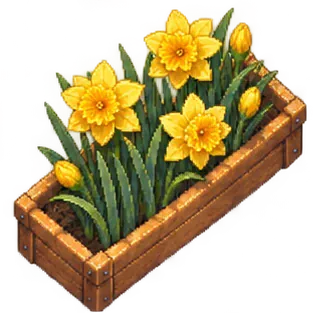
Look for these seeds on Willow creek expeditions. The trail opens at gardener level 4. Look for its field marks: A golden trumpet projects from a star of yellow petals. Its picture appears among your identification answers from gardener level 6 or after your first discovery.
- Preferred soil
- Loam
- Light
- Dappled
- Ideal moisture
- 60%
- Ideal growth time
- 6 hours

Willow creek
Look between the reeds along the cool riverbank. Level 4.
Read the willow creek guideGrowing wild daffodil
Fill a planter with loam soil and sow one seed. Set light to dappled and use the watering tool when moisture falls below the plant’s preferred range. Check for pests and protect the bed when the forecast calls for extreme weather.
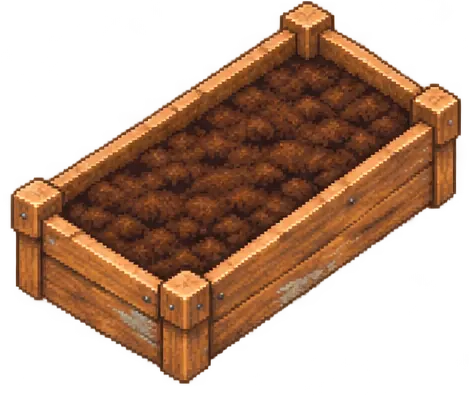 Sown
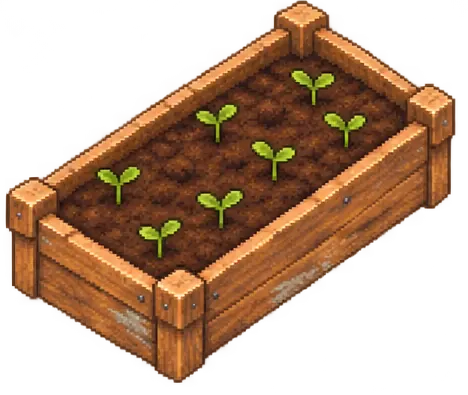 Seedling
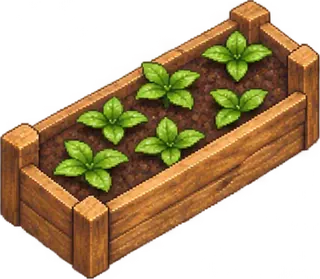 Leafing out
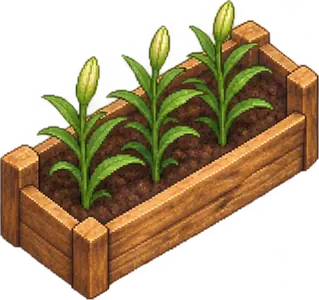 Budding
- Mature
Growth continues in real time between visits. At full maturity, a plant with at least 80% health yields two seeds when collected. Other living mature plants yield one. Collecting seeds frees that planting spot.
Instead of collecting seeds, you can pick its blooms. The plant keeps growing and flowers again after about 1.8 hours. Deliver wild daffodil blooms to flower orders for coins, XP and variety seeds. Read the blooms guide
Wild daffodil in the wild
- Plant type
- Bulb
- Native to
- Western Europe
- Wild habitat
- Damp woods, meadows and grassland
- Season
- February to April
How to recognise it
It’s smaller than garden daffodils. Pale yellow outer petals surround a deeper yellow trumpet, and each flower nods on its own stem above grey-green, strap-like leaves.
Growing it for real
Plant the bulbs in early autumn under deciduous trees or in grass. Leave the grass uncut for six weeks after flowering so the bulbs can build up strength.
Did you know?
Its old English name is the Lent lily, because it flowers during Lent. The daffodils William Wordsworth saw beside Ullswater were wild daffodils.
Take care. The bulbs are poisonous and have been mistaken for onions. The sap can irritate skin.