Plant field guide / Wild strawberry
Wild strawberry
Fragaria vesca
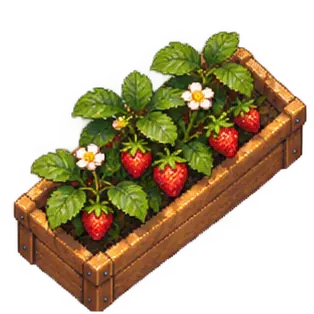
Look for these seeds on Fernwood grove expeditions. The trail opens at gardener level 2. Look for its field marks: Three-part leaves shelter small red berries. Its picture appears among your identification answers from gardener level 4 or after your first discovery.
- Preferred soil
- Humus
- Light
- Dappled
- Ideal moisture
- 60%
- Ideal growth time
- 18 hours
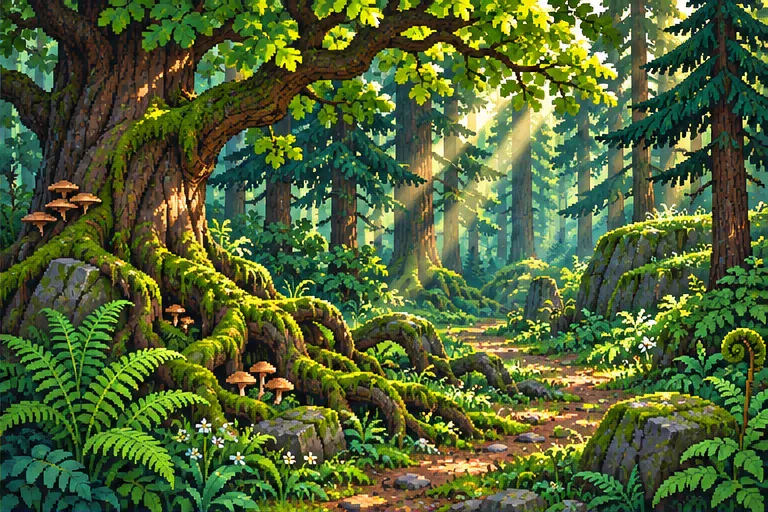
Fernwood grove
Follow the mossy path beneath the old oaks. Level 2.
Read the fernwood grove guideGrowing wild strawberry
Fill a planter with humus soil and sow one seed. Set light to dappled and use the watering tool when moisture falls below the plant’s preferred range. Check for pests and protect the bed when the forecast calls for extreme weather.
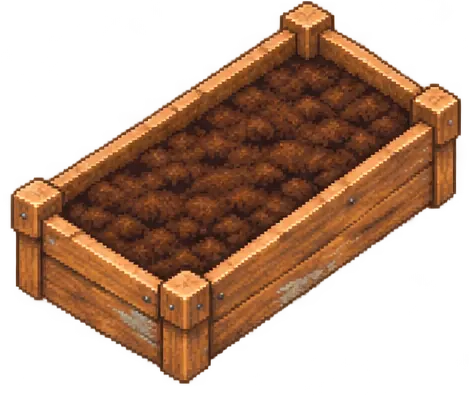 Sown
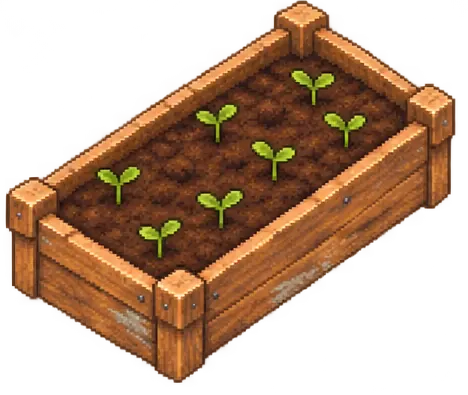 Seedling
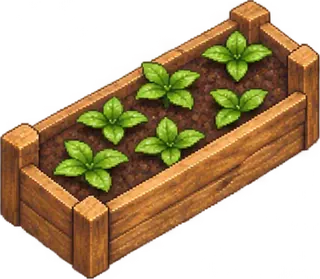 Leafing out
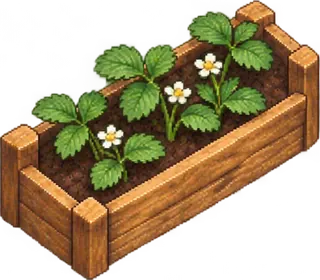 Budding
- Mature
Growth continues in real time between visits. At full maturity, a plant with at least 80% health yields two seeds when collected. Other living mature plants yield one. Collecting seeds frees that planting spot.
Instead of collecting seeds, you can pick its blooms. The plant keeps growing and flowers again after about 5.4 hours. Deliver wild strawberry blooms to flower orders for coins, XP and variety seeds. Read the blooms guide
Wild strawberry in the wild
- Plant type
- Perennial
- Native to
- Europe, northern Asia and North America
- Wild habitat
- Woodland edges, clearings, banks and old walls
- Season
- Flowers April to July; fruit June to August
How to recognise it
Leaves come in threes, each leaflet toothed and bright green. Five white petals give way to small red berries with the seeds on the outside. Long runners root along the ground.
Growing it for real
Plant it in sun or light shade in leafy, moist soil. It makes good ground cover, and its tiny fruit taste sweeter and more fragrant than garden strawberries.
Did you know?
The ‘seeds’ on a strawberry are its true fruits, each a tiny achene. The red flesh is a swollen flower base.