Plant field guide / Wood fern
Wood fern
Dryopteris filix-mas
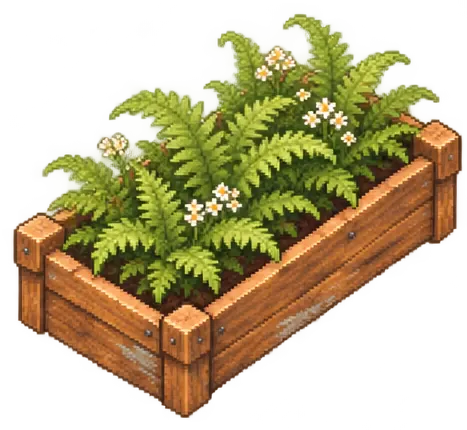
Look for these seeds on Fernwood grove expeditions. The trail opens at gardener level 2. Look for its field marks: Arching green fronds divide into smaller leaflets. Its picture appears among your identification answers from gardener level 2 or after your first discovery.
- Preferred soil
- Humus
- Light
- Shade
- Ideal moisture
- 75%
- Ideal growth time
- 6 hours
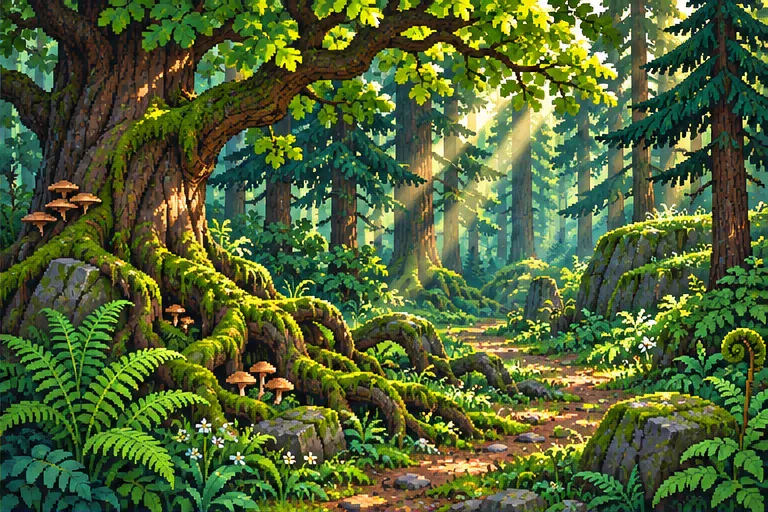
Fernwood grove
Follow the mossy path beneath the old oaks. Level 2.
Read the fernwood grove guideGrowing wood fern
Fill a planter with humus soil and sow one seed. Set light to shade and use the watering tool when moisture falls below the plant’s preferred range. Check for pests and protect the bed when the forecast calls for extreme weather.
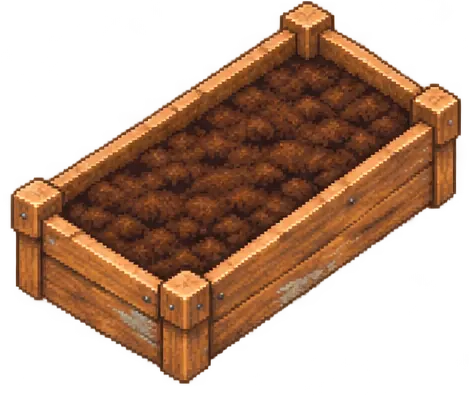 Sown
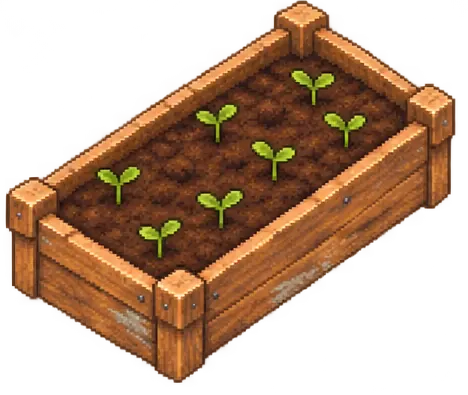 Seedling
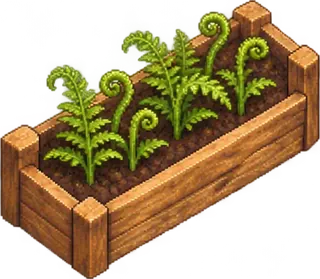 Leafing out
- Budding
- Mature
Growth continues in real time between visits. At full maturity, a plant with at least 80% health yields two seeds when collected. Other living mature plants yield one. Collecting seeds frees that planting spot.
Companion plant. Ferns shade the other beds in this clearing from heatwaves. Read about companion planting
Instead of collecting seeds, you can pick its blooms. The plant keeps growing and flowers again after about 1.8 hours. Deliver wood fern blooms to flower orders for coins, XP and variety seeds. Read the blooms guide
Wood fern in the wild
- Plant type
- Perennial fern
- Native to
- Much of the Northern Hemisphere, including Europe and North America
- Wild habitat
- Woodland, hedgebanks, shady walls and ditches
- Season
- Fronds unfurl in spring; spores ripen in late summer
How to recognise it
Stiff fronds rise in a shuttlecock from a central crown. Each frond divides into leaflets, which divide again into blunt lobes. The undersides carry rows of round, kidney-shaped spore patches.
Growing it for real
It’s one of the easiest ferns for a shady corner, even dry shade under trees. Plant it in leafy soil and cut away the old fronds in early spring.
Did you know?
Its old name is male fern, given because it looked sturdier than the delicate lady fern. Its rootstock was used for centuries to expel tapeworms.
Take care. The rootstock is toxic. Don’t eat any part of it.