Plant field guide / Biting stonecrop
Biting stonecrop
Sedum acre
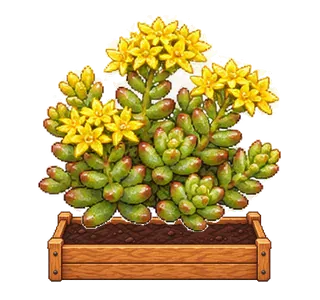
Look for these seeds on Frostcap ridge expeditions. The trail opens at gardener level 10 with 36 hours of fieldwork. Look for its field marks: Yellow stars rise from short shoots packed with fleshy leaves. Its picture appears among your identification answers from gardener level 10 or after your first discovery.
- Fieldwork to find
- 38 hours
- Preferred soil
- Sand
- Light
- Sun
- Ideal moisture
- 30%
- Ideal growth time
- 6 hours

Frostcap ridge
Cushion plants hug sun-warmed stone along the exposed alpine ledges. Level 10 · 36h fieldwork.
Read the frostcap ridge guideGrowing biting stonecrop
Fill a planter with sand soil and sow one seed. Set light to sun and use the watering tool when moisture falls below the plant’s preferred range. Check for pests and protect the bed when the forecast calls for extreme weather.
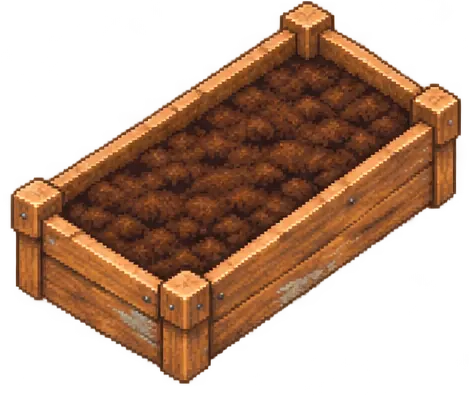 Sown
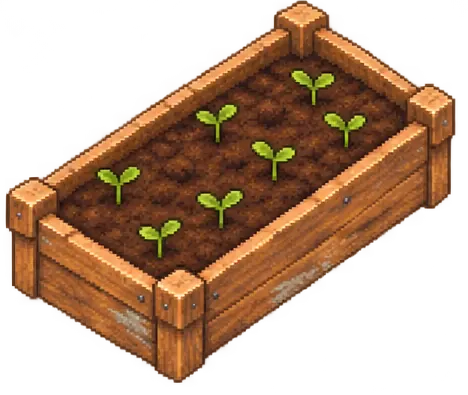 Seedling
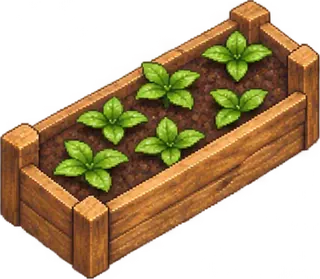 Leafing out
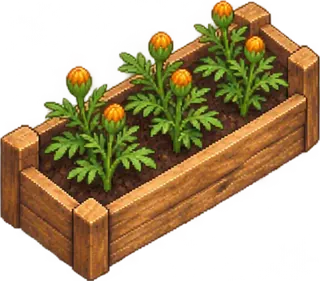 Budding
- Mature
Growth continues in real time between visits. At full maturity, a plant with at least 80% health yields two seeds when collected. Other living mature plants yield one. Collecting seeds frees that planting spot.
Instead of collecting seeds, you can pick its blooms. The plant keeps growing and flowers again after about 1.8 hours. Deliver biting stonecrop blooms to flower orders for coins, XP and variety seeds. Read the blooms guide
Biting stonecrop in the wild
- Plant type
- Evergreen succulent
- Native to
- Europe, North Africa and western Asia
- Wild habitat
- Walls, roofs, shingle, dunes and dry rocky ground
- Season
- June to July
How to recognise it
Dense mats of tiny, fleshy, cone-shaped leaves pack along short shoots, smothered in bright yellow star-shaped flowers with five pointed petals.
Growing it for real
Give it sun and thin, dry soil. It’s a favourite for green roofs because it stores water in its leaves.
Did you know?
The names biting stonecrop and wall-pepper come from its hot, peppery taste.
Take care. It’s mildly toxic. Don’t eat it.