Plant field guide / Mossy saxifrage
Mossy saxifrage
Saxifraga hypnoides
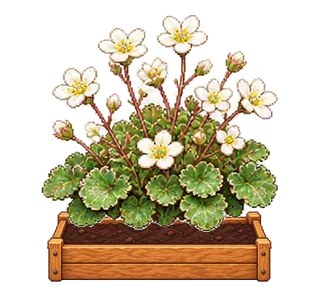
Look for these seeds on Frostcap ridge expeditions. The trail opens at gardener level 10 with 36 hours of fieldwork. Look for its field marks: Fine flower stems carry white petals above a moss-like cushion. Its picture appears among your identification answers from gardener level 10 or after your first discovery.
- Fieldwork to find
- 42 hours
- Preferred soil
- Sand
- Light
- Dappled
- Ideal moisture
- 55%
- Ideal growth time
- 18 hours
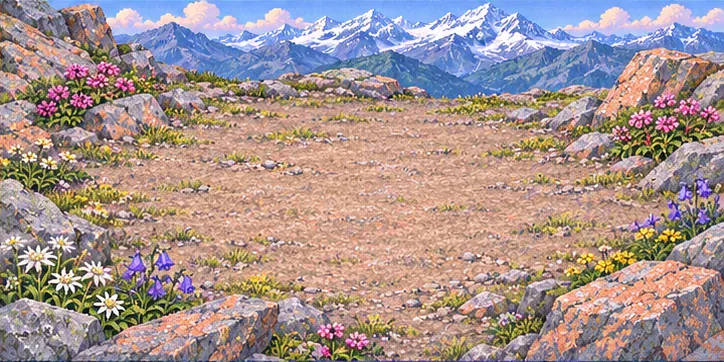
Frostcap ridge
Cushion plants hug sun-warmed stone along the exposed alpine ledges. Level 10 · 36h fieldwork.
Read the frostcap ridge guideGrowing mossy saxifrage
Fill a planter with sand soil and sow one seed. Set light to dappled and use the watering tool when moisture falls below the plant’s preferred range. Check for pests and protect the bed when the forecast calls for extreme weather.
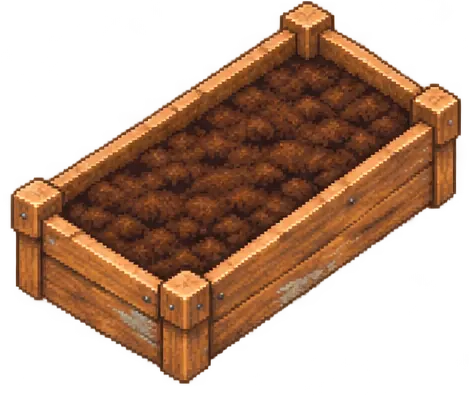 Sown
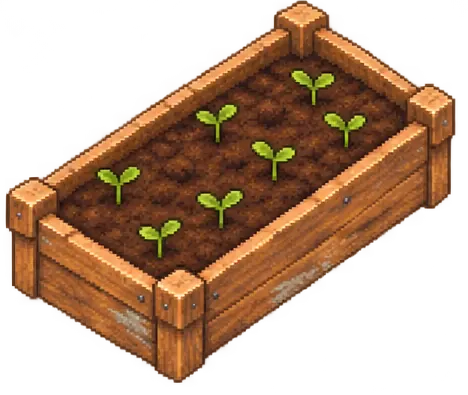 Seedling
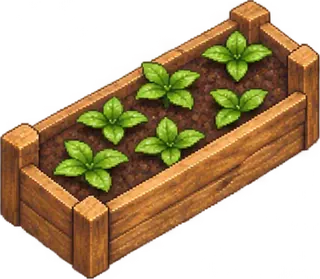 Leafing out
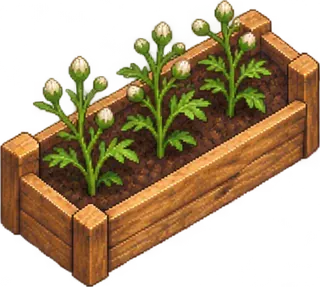 Budding
- Mature
Growth continues in real time between visits. At full maturity, a plant with at least 80% health yields two seeds when collected. Other living mature plants yield one. Collecting seeds frees that planting spot.
Instead of collecting seeds, you can pick its blooms. The plant keeps growing and flowers again after about 5.4 hours. Deliver mossy saxifrage blooms to flower orders for coins, XP and variety seeds. Read the blooms guide
Mossy saxifrage in the wild
- Plant type
- Evergreen perennial
- Native to
- North-west Europe
- Wild habitat
- Mountain ledges, rocky slopes, scree and limestone
- Season
- May to July
How to recognise it
Soft cushions of moss-like, finely divided leaves send up slender stems with a few white, five-petalled flowers.
Growing it for real
Grow it in part shade and gritty soil that stays moist but drains well, in a rockery, crevice or trough.
Did you know?
Saxifrage means stone-breaker. The name may come from the way it grows in rock crevices, or from its old use as a remedy for kidney stones.