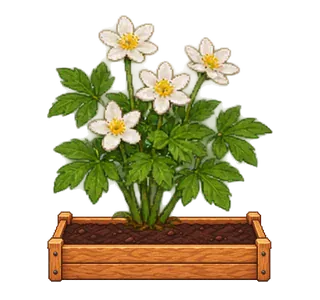
Plant field guide / Solomon’s seal
Solomon’s seal
Polygonatum multiflorum
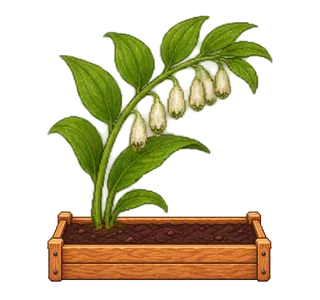
Look for these seeds on Copperbeech hollow expeditions. The trail opens at gardener level 9 with 24 hours of fieldwork. Look for its field marks: Pale tubular bells hang in pairs beneath an arching stem. Its picture appears among your identification answers from gardener level 10 or after your first discovery.
- Fieldwork to find
- 32 hours
- Preferred soil
- Humus
- Light
- Shade
- Ideal moisture
- 70%
- Ideal growth time
- 18 hours

Copperbeech hollow
Beech leaves blanket a quiet hollow. Look under the canopy for fern tongues and morels. Level 9 · 24h fieldwork.
Read the copperbeech hollow guideGrowing solomon’s seal
Fill a planter with humus soil and sow one seed. Set light to shade and use the watering tool when moisture falls below the plant’s preferred range. Check for pests and protect the bed when the forecast calls for extreme weather.
 Sown
 Seedling
 Leafing out
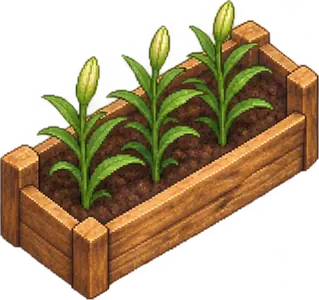 Budding
- Mature
Growth continues in real time between visits. At full maturity, a plant with at least 80% health yields two seeds when collected. Other living mature plants yield one. Collecting seeds frees that planting spot.
Instead of collecting seeds, you can pick its blooms. The plant keeps growing and flowers again after about 5.4 hours. Deliver solomon’s seal blooms to flower orders for coins, XP and variety seeds. Read the blooms guide
Solomon’s seal in the wild
- Plant type
- Perennial
- Native to
- Europe and Asia
- Wild habitat
- Shady woodland on chalk and limestone
- Season
- May to June
How to recognise it
Arching stems carry oval leaves in two neat rows, with pairs of creamy white, green-tipped bells hanging beneath. Blue-black berries follow.
Growing it for real
Plant the roots in shade in leafy soil. Watch for grey sawfly larvae, which strip the leaves in early summer.
Did you know?
The scars old stems leave on its root were said to resemble the seal of King Solomon.
Take care. All parts are poisonous, especially the berries.