Plant field guide / Common morel
Common morel
Morchella esculenta
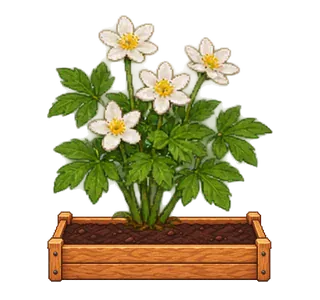
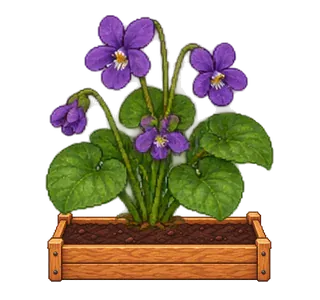
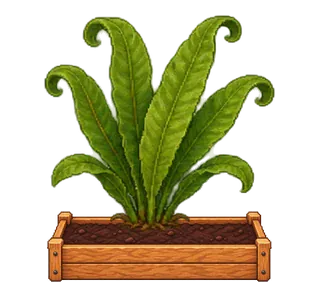
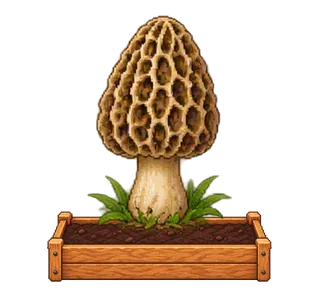
Look for these seeds on Copperbeech hollow expeditions. The trail opens at gardener level 9 with 24 hours of fieldwork. Look for its field marks: The honey-brown cap is pitted with deep irregular hollows. Its picture appears among your identification answers from gardener level 10 or after your first discovery.
- Fieldwork to find
- 34 hours
- Preferred soil
- Humus
- Light
- Dappled
- Ideal moisture
- 70%
- Ideal growth time
- 36 hours
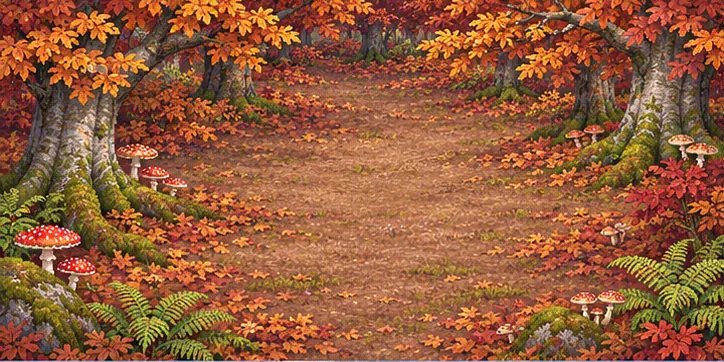
Copperbeech hollow
Beech leaves blanket a quiet hollow. Look under the canopy for fern tongues and morels. Level 9 · 24h fieldwork.
Read the copperbeech hollow guideGrowing common morel
Fill a planter with humus soil and sow one seed. Set light to dappled and use the watering tool when moisture falls below the plant’s preferred range. Check for pests and protect the bed when the forecast calls for extreme weather.
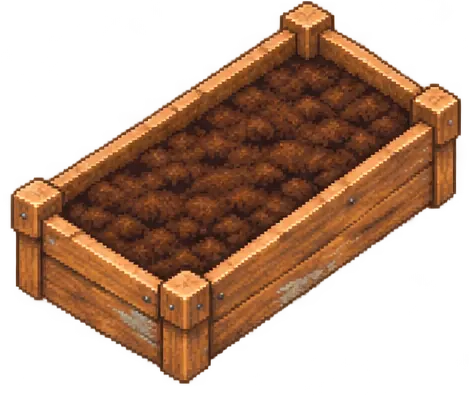 Sown
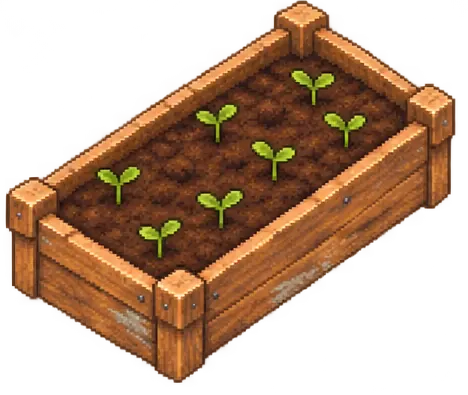 Seedling
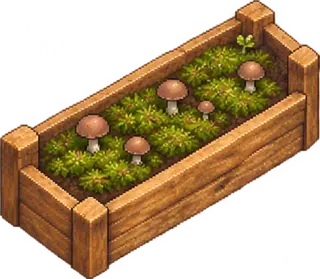 Leafing out
- Budding
- Mature
Growth continues in real time between visits. At full maturity, a plant with at least 80% health yields two seeds when collected. Other living mature plants yield one. Collecting seeds frees that planting spot.
Instead of collecting seeds, you can pick its blooms. The plant keeps growing and flowers again after about 10.8 hours. Deliver common morel blooms to flower orders for coins, XP and variety seeds. Read the blooms guide
Common morel in the wild
- Plant type
- Mushroom (a fungus)
- Native to
- Temperate regions across the Northern Hemisphere
- Wild habitat
- Woodland, old orchards, around ash and elm trees, and on disturbed or burnt ground
- Season
- Spring, usually March to May
How to recognise it
A honey-coloured cap with deep, irregular pits like a honeycomb sits on a whitish stem. Cut lengthwise, a true morel is hollow from cap to stem. False morels have a wrinkled, brain-like cap and aren’t hollow.
Growing it for real
Morels are very hard to grow and are mostly found in the wild, though a few farms now raise them in outdoor beds.
Did you know?
Morels often fruit in large numbers the year after a forest fire.
Take care. Morels are only safe to eat thoroughly cooked, and false morels are poisonous. Only eat wild mushrooms identified in person by an expert.