Plant field guide / Sea lavender
Sea lavender
Limonium vulgare
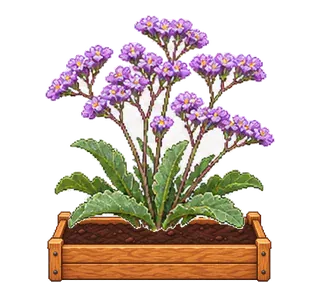
Look for these seeds on Saltwind strand expeditions. The trail opens at gardener level 10 with 50 hours of fieldwork. Look for its field marks: Small papery lilac flowers branch into broad sprays. Its picture appears among your identification answers from gardener level 10 or after your first discovery.
- Fieldwork to find
- 60 hours
- Preferred soil
- Loam
- Light
- Sun
- Ideal moisture
- 65%
- Ideal growth time
- 18 hours
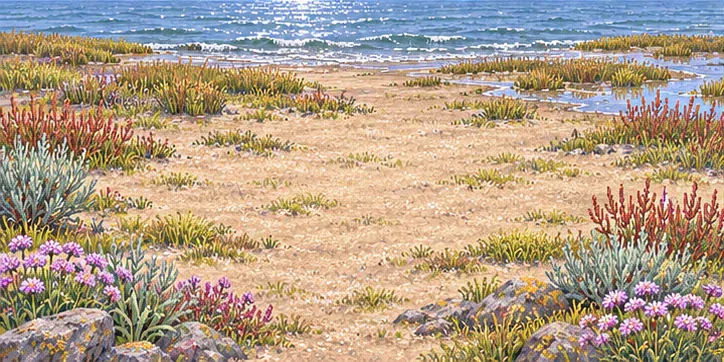
Saltwind strand
A shingle path follows the high-tide line through silver foliage and salt-tolerant blooms. Level 10 · 50h fieldwork.
Read the saltwind strand guideGrowing sea lavender
Fill a planter with loam soil and sow one seed. Set light to sun and use the watering tool when moisture falls below the plant’s preferred range. Check for pests and protect the bed when the forecast calls for extreme weather.
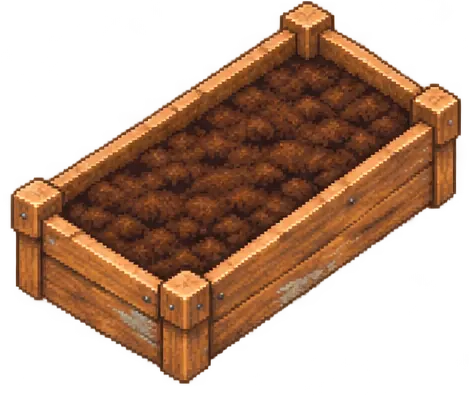 Sown
 Seedling
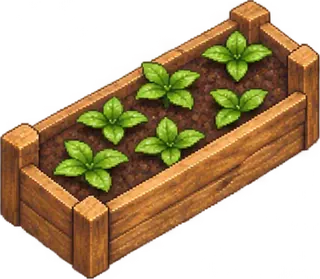 Leafing out
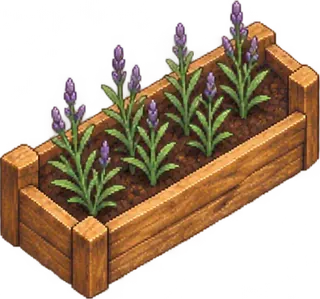 Budding
- Mature
Growth continues in real time between visits. At full maturity, a plant with at least 80% health yields two seeds when collected. Other living mature plants yield one. Collecting seeds frees that planting spot.
Instead of collecting seeds, you can pick its blooms. The plant keeps growing and flowers again after about 5.4 hours. Deliver sea lavender blooms to flower orders for coins, XP and variety seeds. Read the blooms guide
Sea lavender in the wild
- Plant type
- Perennial
- Native to
- Coasts of Europe and North Africa
- Wild habitat
- Salt marshes and estuary mud
- Season
- July to September
How to recognise it
Flat-topped, branching sprays of small lilac flowers rise from a rosette of leathery, oblong leaves. The flowers dry papery and keep their colour.
Growing it for real
Its relatives, the statice of florists, grow in sun and free-draining soil and are dried for arrangements.
Did you know?
It isn’t related to true lavender and has no scent. In late summer it can turn whole salt marshes purple.