Plant field guide / Lesser butterfly orchid
Lesser butterfly orchid
Platanthera bifolia
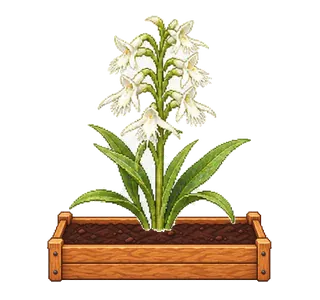
Look for these seeds on Moonveil garden expeditions. The trail opens at gardener level 10 with 66 hours of fieldwork. Look for its field marks: A pale spike carries long-spurred flowers above two broad basal leaves. Its picture appears among your identification answers from gardener level 10 or after your first discovery.
- Fieldwork to find
- 72 hours
- Preferred soil
- Humus
- Light
- Dappled
- Ideal moisture
- 70%
- Ideal growth time
- 36 hours

Moonveil garden
Pale flowers catch the light in a walled night garden at the end of the path. Level 10 · 66h fieldwork.
Read the moonveil garden guideGrowing lesser butterfly orchid
Fill a planter with humus soil and sow one seed. Set light to dappled and use the watering tool when moisture falls below the plant’s preferred range. Check for pests and protect the bed when the forecast calls for extreme weather.
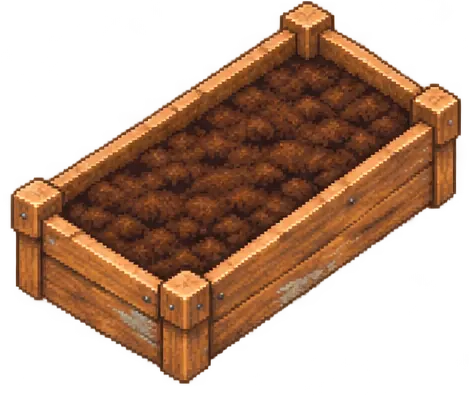 Sown
 Seedling
 Leafing out
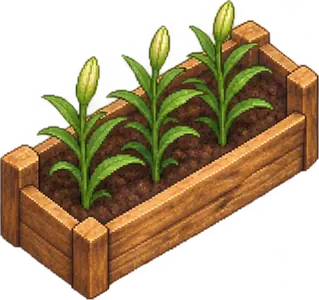 Budding
- Mature
Growth continues in real time between visits. At full maturity, a plant with at least 80% health yields two seeds when collected. Other living mature plants yield one. Collecting seeds frees that planting spot.
Instead of collecting seeds, you can pick its blooms. The plant keeps growing and flowers again after about 10.8 hours. Deliver lesser butterfly orchid blooms to flower orders for coins, XP and variety seeds. Read the blooms guide
Lesser butterfly orchid in the wild
- Plant type
- Perennial orchid
- Native to
- Europe and temperate Asia
- Wild habitat
- Damp meadows, heaths, moors and open woodland
- Season
- May to July
How to recognise it
Two broad, oval leaves lie at the base. A slender spike carries greenish-white flowers, each with a long, thin nectar spur. Its two pollen sacs sit close together and parallel. In the greater butterfly orchid, they’re set wide apart.
Growing it for real
Never dig it up or buy wild-collected plants. Like many orchids it depends on fungi in the soil and rarely survives being moved.
Did you know?
Its flowers are scented at night for moths, whose long tongues reach the nectar deep in the spur.
Take care. It has declined sharply in Britain. Enjoy it where it grows and never pick it.